Media Inquiries
Roche Diagnostics U.S. Media Relations
Jen Dial
1-463-867-0232
Amy Lynn
1-317-750-7811

INDIANAPOLIS, August 24, 2026 – Roche (SIX: RO, ROP; OTCQX: RHHBY) announced today that the U.S. Food and Drug Administration (FDA) has cleared the Elecsys® Phospho-Tau (217P) Plasma (pTau217) blood test, providing clinicians across primary and specialty care with a single blood-based option to aid in identifying amyloid pathology associated with Alzheimer’s disease in individuals 55 years and older with signs, symptoms or complaints of cognitive decline.4 Developed in collaboration with Eli Lilly and Company, Elecsys® pTau217 is the first and only FDA-cleared, single-biomarker blood test that supports both rule-in and rule-out assessment of amyloid pathology using the same validated clinical cutoffs across primary and specialty care settings.
The assay provides positive, intermediate and negative result categories to support assessment of the likelihood of amyloid pathology. Results are interpreted in conjunction with clinical information and other relevant findings as part of the Alzheimer’s disease diagnostic pathway.4
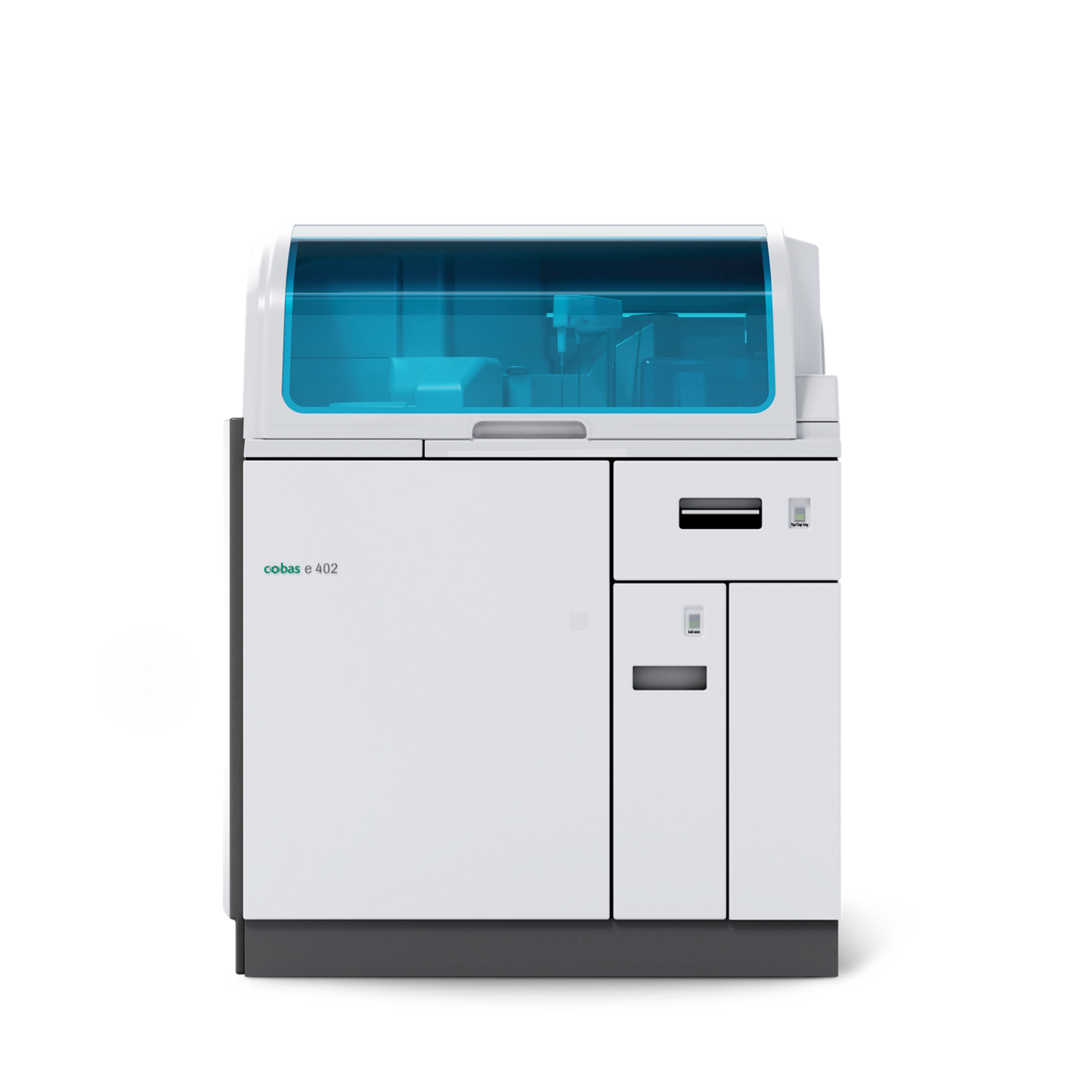
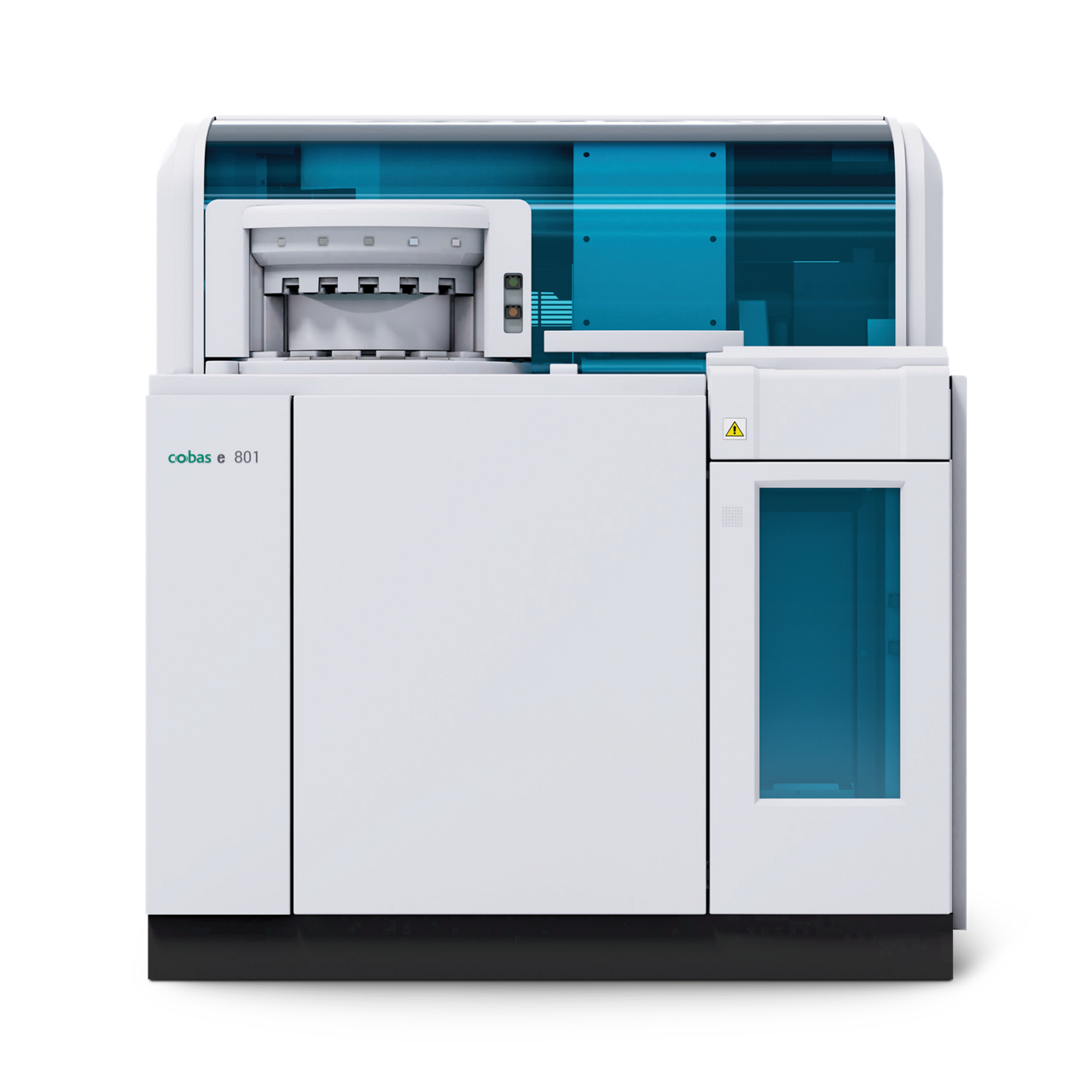
Healthcare providers across primary and specialty care now have access to the first and only FDA-cleared, single-biomarker blood test designed to support both rule-in and rule-out assessment of amyloid pathology. The test is designed for use across Roche’s more than 4,500 cobas® laboratory instruments in the United States, enabling broad access through existing laboratory infrastructure.

An estimated 75% of people living with dementia remain undiagnosed,2 and those who are diagnosed often experience years of uncertainty after symptoms first appear.1,3 Traditional approaches used to assess amyloid pathology, including positron emission tomography (PET) imaging and cerebrospinal fluid (CSF) testing, may be costly, invasive and difficult to access outside specialty centers.6,7
The Elecsys® pTau217 blood test helps address these barriers by providing a minimally invasive blood-based option that can be incorporated into existing clinical and laboratory workflows. The test may help clinicians assess the likelihood of amyloid pathology earlier in the disease and diagnostic pathway and identify patients who should be considered for additional evaluation or specialist referral.
“For millions of families navigating the uncertainty of Alzheimer’s disease, a timely diagnosis is the first and most critical step toward meaningful care,” said Carole Ho, M.D., Executive Vice President and President, Lilly Neuroscience. “Lilly’s collaboration with Roche on Elecsys® pTau217 was driven by a shared commitment to bringing one blood test into both primary care, where most patients with cognitive complaints are first seen, and specialty care, helping close the gap between symptoms and answers.”
Following FDA clearance, Elecsys® pTau217 may help healthcare providers and health systems:
"For decades, clinicians have faced significant challenges in accurately diagnosing Alzheimer's disease in its early stages. While PET imaging and cerebrospinal fluid biomarkers can confirm amyloid pathology in patients with cognitive impairment, these approaches may be costly, invasive and not readily accessible for many patients," said Jared R. Brosch, M.D., Neurologist, Indiana University Health. "Advances in blood-based biomarkers have the potential to transform the diagnostic pathway by expanding access to evaluation for Alzheimer's across a variety of care settings. As these tools become available, clinicians may be able to evaluate more patients earlier in the disease course, improving diagnostic confidence and helping patients and their families make more informed decisions at a critical time."
Evaluated in individuals 55 years and older with signs, symptoms or complaints of cognitive decline associated with Alzheimer’s disease, Elecsys® pTau217 demonstrated high agreement with amyloid PET imaging, providing clinicians with minimally invasive option for assessing amyloid pathology.5
As a single-assay solution, Elecsys® pTau217 simplifies laboratory implementation by using one biomarker and one set of validated clinical cutoffs to support both rule-in and rule-out assessment of amyloid pathology. Roche refers to this approach as the “Power of One” – one assay, one biomarker and one set of validated clinical cutoffs designed to simplify Alzheimer’s assessment while expanding access to blood-based testing.
Elecsys® pTau217 is not intended to be used as a stand-alone test. Results should be interpreted in conjunction with other diagnostic tools and clinical information. The safety and effectiveness of the assay have not been established for predicting development of dementia or other neurologic conditions or for monitoring the effect of therapeutic products.4
With more than 4,500 Roche cobas® instruments already installed in U.S. clinical laboratories, Elecsys® pTau217 is designed to integrate into existing laboratory workflows without requiring additional instrumentation, supporting rapid implementation and broad access following FDA clearance.
For healthcare systems managing the growing burden of Alzheimer’s, broader access to blood-based testing may help support more efficient diagnostic pathways, optimize referral decisions and make better use of limited specialist resources.
The FDA clearance of Elecsys® pTau217 represents an important milestone in Roche’s continued leadership and commitment to advancing earlier diagnosis and treatment of Alzheimer’s disease. As the first and only FDA-cleared, single-biomarker blood test supporting both rule-in and rule-out assessment of amyloid pathology in primary and secondary care, Elecsys® pTau217 builds on more than two decades of Roche innovation in Alzheimer’s disease.
For more than two decades, Roche has been advancing research, diagnostics and medicines for Alzheimer’s disease with the goal of helping people receive answers and access care earlier in the course of disease. The company works with clinicians, researchers, patient advocates, policymakers and healthcare systems worldwide to translate scientific advances into meaningful benefits for patients and families.
Roche is a healthcare company uniquely placed to prevent, stop and cure diseases by uniting leading science and technology across diagnostics, medicines and digital solutions.
Roche was founded in Basel, Switzerland, in 1896 and today is a leading provider of transformative medicines and diagnostics for millions of people in over 150 countries around the world. It is dedicated to tackling healthcare challenges that place the greatest strain on patients, families, communities and healthcare systems. Across its Diagnostics and Pharmaceutical divisions, Roche focuses on areas including oncology, neurology, cardiovascular and metabolic diseases, ophthalmology, infectious diseases and immunology with the aim of providing real and positive change for patients, the people they love and the professionals who care for them.
Genentech in the United States is a fully owned subsidiary in the Roche Group. Roche is the majority shareholder in Chugai Pharmaceutical, a major innovator in the Japanese therapeutic antibody market.
For more information, please visit www.roche.com.
All trademarks used or mentioned in this release are protected by law.
References
Orgeta V, et al. Dementia takes 3.5 years to diagnose after symptoms begin. University College London; 2025.
Alzheimer’s Disease International. World Alzheimer Report 2021: Journey through the diagnosis of dementia. ADI; 2021.
Kusoro O, et al. Time to diagnosis in dementia: a systematic review with meta-analysis. International Journal of Geriatric Psychiatry. 2025.
Clifford Jack Jr, Dunn B, Snyder H.,et al. Revised criteria for diagnosis and staging of Alzheimer’s disease: Alzheimer’s Association workgroup. Alzheimer’s & Dementia. 2024;1–27. doi:10.1002/alz.13859.
Schindler SE, et al. Acceptable performance of blood biomarker tests of amyloid pathology — recommendations from the Global CEO Initiative on Alzheimer’s Disease. Nature Reviews Neurology. 2024;20(7):426–439. doi:10.1038/s41582-024-00977-5.
Chapleau M, et al. The role of amyloid PET in imaging neurodegenerative disorders. American Journal of Neuroradiology. 2022;43(6):813–825.
Update on Alzheimer’s diagnosis: focus on cerebrospinal fluid and blood-based biomarkers. MedizinOnline. 2024.
For specific product inquiries, technical support or order assistance, please connect with our dedicated customer care team:
Jen Dial
1-463-867-0232
Amy Lynn
1-317-750-7811
Please select content below to download or for more information and media images, visit the Roche Media Library.
cobas® e 402
cobas® e 801