

Diagnostics are often the first line of defense. Roche knows this well, organizing a consortium of HIV experts to develop the first HIV viral-load test in 1992 and quickly following with molecular tests for Hepatitis B and C. As HIV has evolved, Roche launched the first nucleic acid amplification testing, also known as NAAT testing, to differentiate and confirm the diagnosis of HIV-1 and/or HIV-2 in 2021.
These virologic infections are primarily spread through direct contact with blood or bodily fluids. These tests are significant as they enable the detection of viruses at an earlier stage of infection, helping patients to get to treatment faster and improving blood supply safety.
For some infections, reliably identifying the cause poses a notable challenge. At Roche Diagnostics, we believe that high-throughput systems and fully automated workflows are helping to accelerate time-to-diagnosis, but this is just part of the equation.
Optimizing NAAT techniques, like polymerase chain reaction, also known as PCR testing, has allowed test developers to push the boundaries of traditional diagnostics. Increasingly sophisticated assays with better sensitivity, specificity and efficiency of scale have the potential to bring an entire paradigm shift in disease management.
Roche is committed to quality diagnostics and innovative testing approaches to transform previously life-altering infections into manageable conditions.
Hepatitis B
Sexually acquired hepatitis infections remain a public health problem. An estimated 38% of acute HBV infection in the United States is attributed to sexual transmission.1 Hepatitis causes inflammation of the liver, which can seriously damage its function.2 Of all the five hepatitis strains, hepatitis B and hepatitis C can lead to chronic disease, liver cirrhosis, liver cancer and death.3
Recent efforts to combat these strains include new CDC screening updates for hepatitis B and a commitment from the U.S. government to eradicate viral hepatitis4 by 2030. The new CDC recommendations call for hepatitis B screening5 using laboratory tests at least once during an adult’s lifetime.
Hepatitis C
Hepatitis C, a liver infection caused by the hepatitis C virus (HCV), remains a significant public health concern in the United States. The virus is primarily transmitted through blood-to-blood contact, often through the sharing of needles and other equipment used to prepare and inject drugs.6
The disease can lead to severe liver damage, cirrhosis, liver cancer, and death if left untreated. This overview highlights the clinical aspects of hepatitis C, current treatment options, and relevant policy initiatives aimed at controlling and eventually eliminating the disease.7
One of the critical strategies in managing hepatitis C is widespread screening, particularly among high-risk populations. The CDC recommends one-time universal screening for all adults aged 18 years and older and for pregnant women during each pregnancy, as well as regular screening for individuals at increased risk.8
In 2020, the National Viral Hepatitis Action Plan was updated with a renewed focus on eliminating viral hepatitis as a public health threat by 2030.9 This plan includes comprehensive strategies for prevention, testing, care and treatment, targeting both the general population and specific high-risk groups.
HIV
Updated CDC guidelines on human immunodeficiency virus10 and PrEP have elevated the need for reliable HIV testing.
HIV is mainly spread through unprotected vaginal or anal intercourse, when a condom is not used, and when medication to prevent or manage HIV is not taken. Transmission also occurs through the sharing of needles or non-sterilized medical equipment.11 HIV RNA screening is especially important as viral suppression may delay or obscure traditional responses, as seen in LEVI syndrome or when patients are using long-acting PrEP.12 A recent study has shown that achieving elimination will require PrEP expansion far beyond current coverage estimates, fundamentally shifting both who should be screened and how, and placing greater emphasis on high-sensitivity RNA testing to reliably detect early infection in increasingly complex clinical scenarios.13
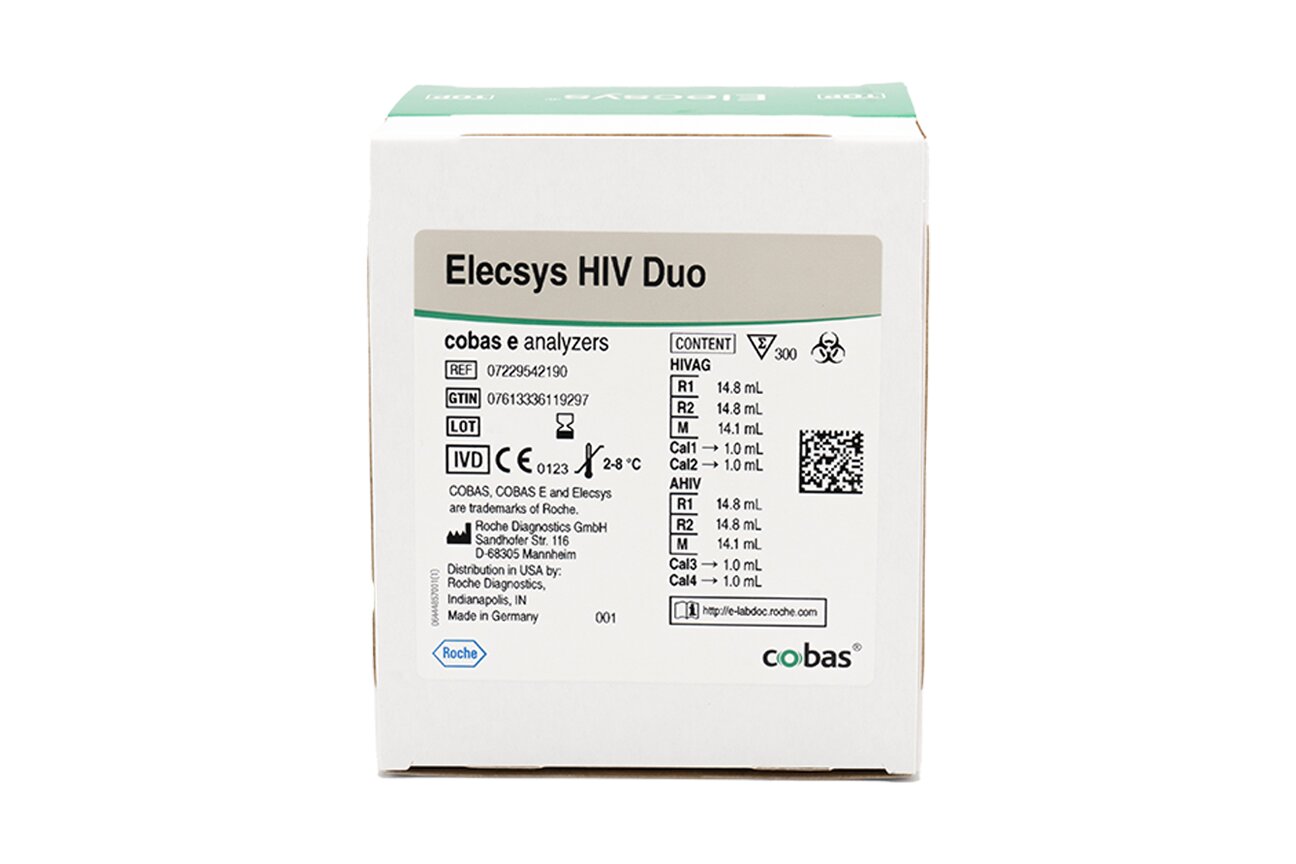
Roche pioneered the dual target approach for HIV-1/2 viral monitoring and continuously works to ensure assays can stay ahead of their highly mutagenic targets. Roche products, supporting the molecular and immunoassay testing, such as Elecsys® HIV duo, a fourth-generation assay that simultaneously detects HIV-1 p24 antigen and antibodies, can take labs through the full continuum of HIV testing as recommended by the CDC. Qualitative and quantitative HIV RNA assays enable laboratories and healthcare providers to identify the most critical HIV targets quickly and accurately and guide clinical decision-making, while eliminating manual intervention and minimizing errors.
When should people be tested for HIV?
Routine HIV testing is key to early diagnosis, timely treatment, and reduced transmission. The CDC recommends that everyone aged 13 to 64 be tested at least once as part of routine care.14 The 2021 PrEP Clinical Practice Guideline further emphasizes frequent testing every two to three months, depending on whether it's oral or injectable therapy, to detect breakthrough infections and prevent antiretroviral resistance.15
Featured products
Explore more
References
National Library of Medicine. Last accessed, April 8, 2026
Cleveland Clinic. Last accessed, April 8, 2026
Centers for Disease Control. Last accessed, April 8, 2026.
US Department of Health and Human Services. Last accessed, April 8, 2026.
Centers for Disease Control. Last accessed, April 8, 2026.
US Department of Health and Human Services. Last accessed, April 8, 2026.
US Department of Health and Human Services. Last accessed, April 8, 2026.
Centers for Disease Control. Last accessed, April 8, 2026.
US Department of Health and Human Services. Last accessed, April 8, 2026.
Centers for Disease Control. Last accessed April 8, 2026.
Centers for Disease Control. Last accessed, April 8, 2026.
National Library of Medicine. Last accessed, April 8, 2026.
Open Forum Infectious Diseases. Last accessed April 8, 2026.
Centers for Disease Control. Last accessed, April 8, 2026.
- Centers for Disease Control. Last accessed, April 8, 2026.