Molecular lab

A comprehensive portfolio of molecular laboratory solutions—delivering confidence from samples in, to results out, across the continuum of healthcare.


lab technician in molecular lab running lab tests

Transforming molecular diagnostics and screening for every setting and situation

Solution

Redefining molecular testing with comprehensive and scalable solutions

Roche molecular lab diagnostic solutions enable disease management across the healthcare continuum, from screening and prevention to diagnosis and monitoring. High-performance PCR systems, an expansive menu of molecular assays, and advanced digital solutions help you accomplish:

  • Centralized and decentralized end-to-end automation with pre- and post-analytics
  • Lower volume or specialized testing, including syndromic testing and blood and plasma screening
  • Research and lab developed solutions

Roche was an early adopter of PCR technology, leading the way in real-world applications for screening, aide in diagnosing, treatment, and monitoring of critical infectious diseases. Today, Roche offers a comprehensive menu of molecular tests for use in various lab settings, situations, and clinical areas including virology, respiratory, sexual health, cervical health, transplant, oncology, gastrointestinal, blood culture identification, and antiobiotic stewardship.

Value

Innovation solutions for healthcare decision support

At Roche, we continuously advance our offerings across platforms and menus to transform traditional molecular labs. We aim to simplify systems and increase efficiency to improve the user experience and ensure labs can deliver timely, trustworthy results.

Roche molecular lab solutions advance patient care across the entire continuum: from scientific discovery to screening, prevention, clinical diagnosis, and monitoring. Rooted in our commitment to innovation, our portfolio of solutions helps ensure access to testing across different settings for confident healthcare decisions.

Vision

Shaping the future of molecular labs

At Roche, we push boundaries to fuel innovation that streamlines molecular testing for timely answers that our customers can trust.

Experience a new level of lab testing with the Molecular Work Area from Roche.
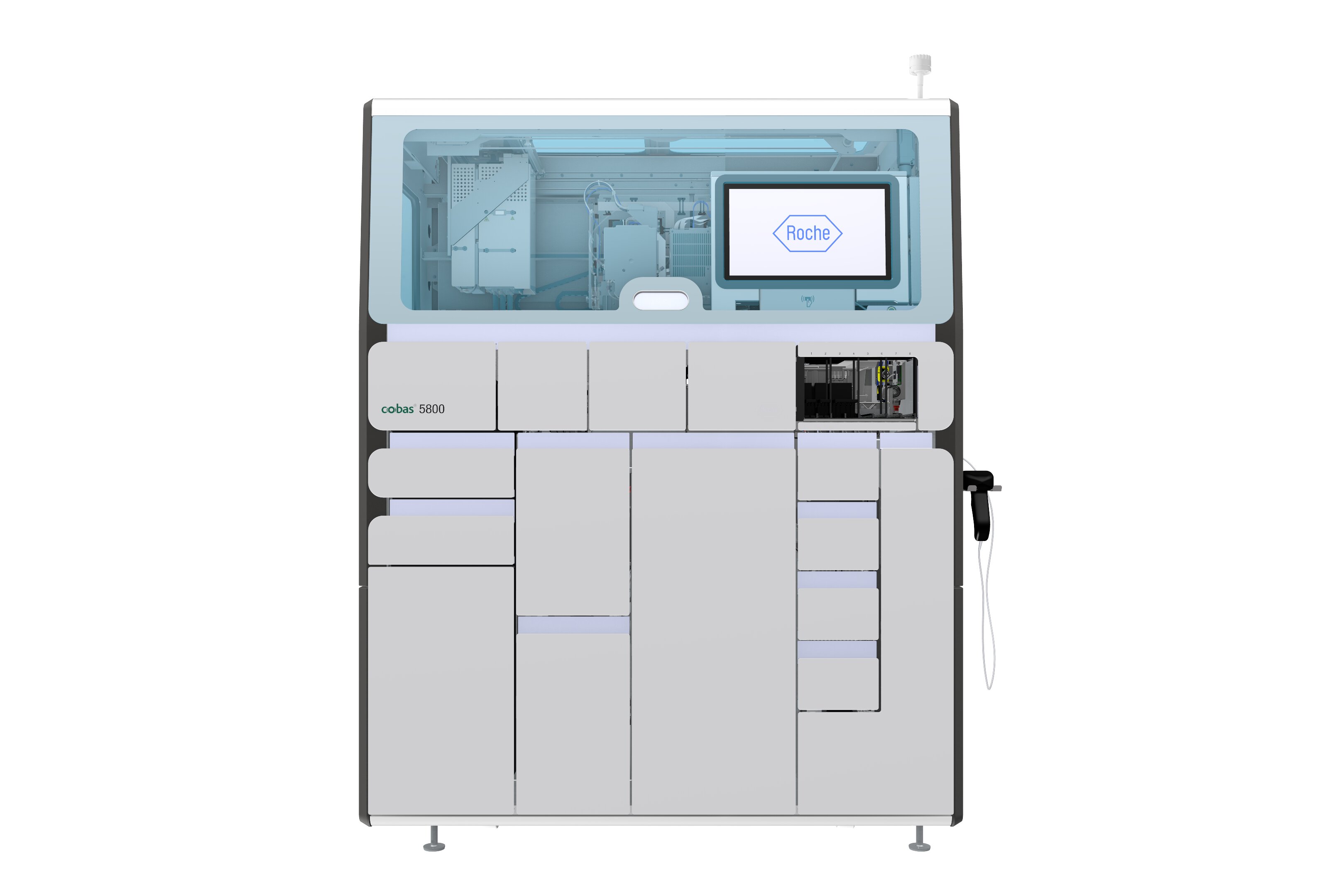
The cobas® 5800 system makes automation, consolidation, integration and standardization more accessible than ever before.
The industry’s leading instruments converge to form a single solution that transforms your operation into a laboratory of the future. This fully automated system consolidates, integrates and standardizes the pre-analytical process to streamline lab operations.

Solutions designed to help transform your research ideas into clinically viable tests.
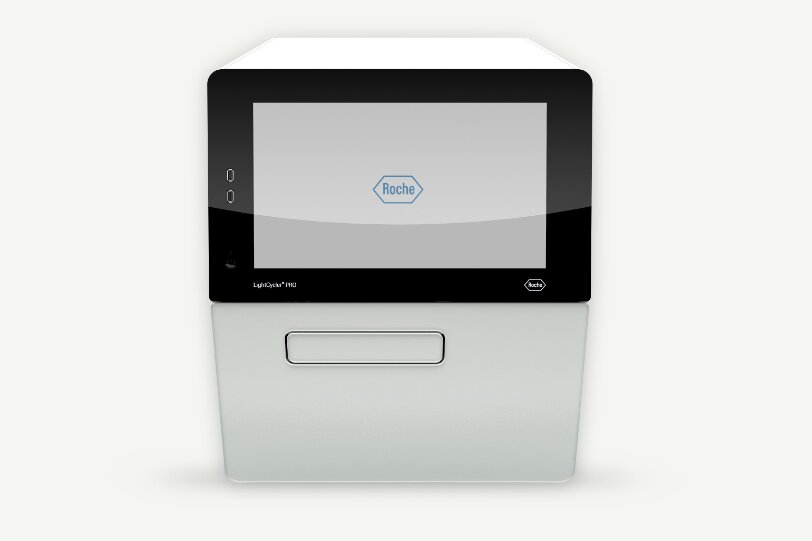
True sample-to-answer solution for high-risk patients.
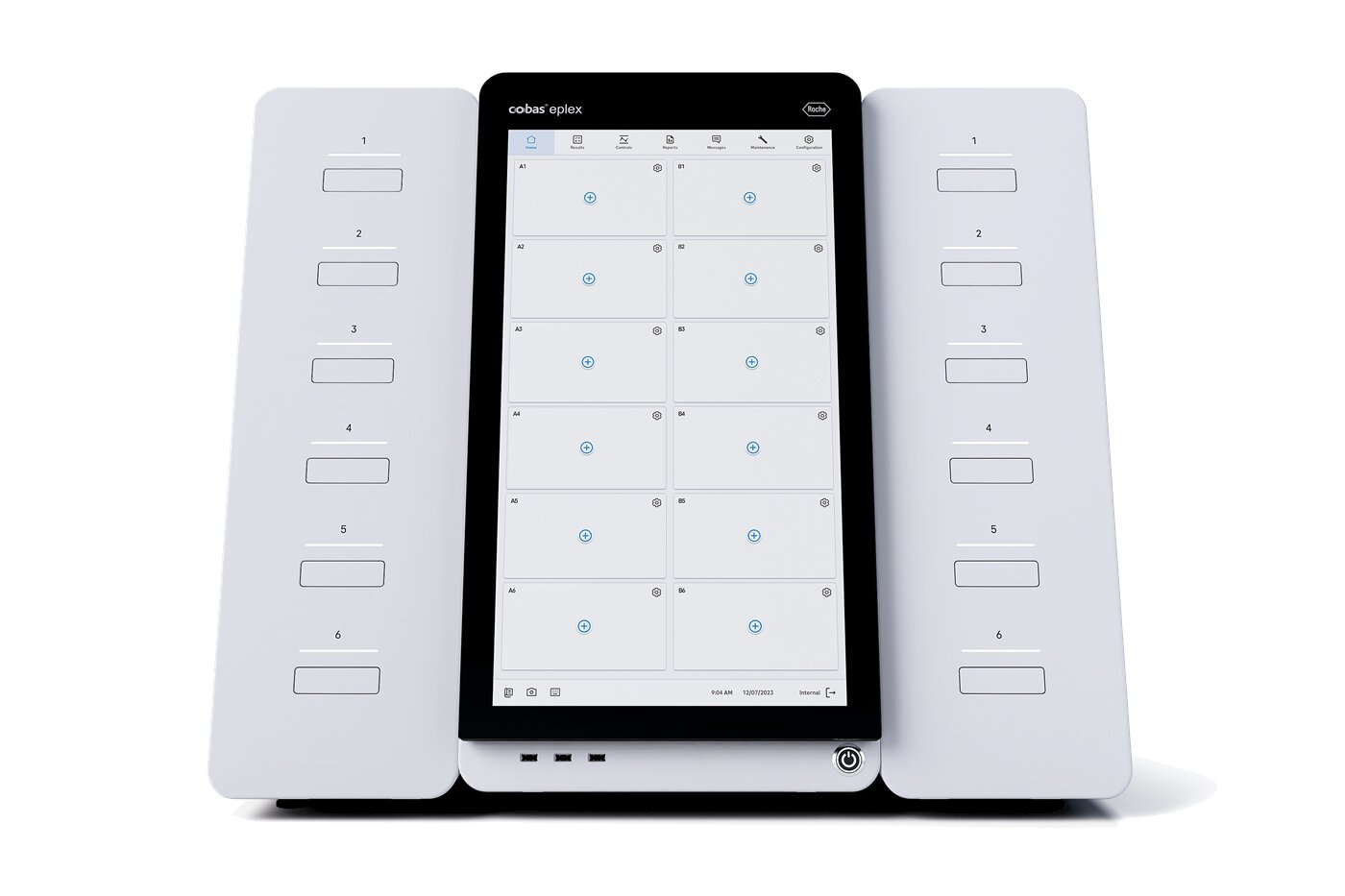
The cobas® eplex system delivers rapid, multiplex diagnostics with sample-to-answer automation, LIS integration, and scalable design.
The cobas eplex blood culture identification gram-negative (BCID-GN) panel is a qualitative nucleic acid multiplex in vitro diagnostic test intended for use on the cobas eplex instrument for simultaneous qualitative detection and identification of multiple potentially pathogenic gram-negative bacterial organisms and select determinants associated with antimicrobial resistance in positive blood culture. In addition, the cobas eplex BCID-GN panel is capable of detecting several gram- positive bacteria (Pan Gram-Positive assay) and several Candida species (Pan Candida assay). The cobas eplex BCID-GN panel is performed directly on blood culture samples identified as positive by a continuous monitoring blood culture system and which contain gram-negative organism.The following bacterial organisms and genes associated with antibiotic resistance are identified using the cobas eplex BCID-GN panel: Acinetobacter baumannii, Bacteroides fragilis, Citrobacter, Cronobacter sakazakii, Enterobacter cloacae complex, Enterobacter (non-cloacae complex), Escherichia coli, Fusobacterium necrophorum, Fusobacterium nucleatum, Haemophilus influenzae, Klebsiella oxytoca, Klebsiella pneumoniae group, Morganella morganii, Neisseria meningitidis, Proteus, Proteus mirabilis, Pseudomonas aeruginosa, Salmonella, Serratia, Serratia marcescens, Stenotrophomonas maltophilia, CTX-M (blaCTX-M ), IMP (blaIMP ) , KPC (blaKPC ) , NDM (blaNDM ), OXA (blaOXA ) (OXA-23 and OXA-48 groups only), and VIM (blaVIM ).The cobas eplex BCID-GN panel contains assays for the detection of genetic determinants associated with resistance to antimicrobial agents including CTX-M(blaCTX-M ), which is associated with resistance to extended spectrum beta-lactamase (ESBL)-mediated resistance to penicillins, cephalosporins, and monobactams, as well as OXA (blaOXA ) (OXA-23 and OXA-48 groups only), KPC (blaKPC ), and metallo- beta-lactamases IMP (blaIMP ), VIM (blaVIM ), and NDM (blaNDM ), which is associated with carbapenemase- mediated resistance. The antimicrobial resistance gene detected may or may not be associated with the agent responsible for disease. Negative results for these select antimicrobial resistance assays do not indicate susceptibility, as there are multiple mechanisms of resistance in gram-negative bacteria.The cobas eplex BCID-GN panel also contains targets designed to detect a broad range of organisms with a potentially misleading Gram stain result or organisms that may be missed by Gram staining altogether, for example in the case of co-infections. These include a broad Pan Gram-Positive assay (which is designed to detect Bacillus cereus group, Bacillus subtilis group, Enterococcus, Staphylococcus, and Streptococcus), as well as a Pan Candida assay, which is designed to detect four Candida species: Candida albicans, Candida glabrata, Candida krusei, and Candida parapsilosis.The detection and identification of specific bacterial and fungal nucleic acids from individuals exhibiting signs and/or symptoms of bloodstream infection aids in the diagnosis of bloodstream infection when used in conjunction with other clinical information. The results from the cobas eplex BCID-GN panel are intended to be interpreted in conjunction with Gram stain results and should not be used as the sole basis for diagnosis, treatment, or other patient management decisions. Negative results in the setting of a suspected bloodstream infection may be due to infection with pathogens that are not detected by this test. Positive results do not rule out co-infection with other organisms; the organism(s) detected by the cobas eplex BCID-GN panel may not be the definite cause of disease. Additional laboratory testing (e.g. sub-culturing of positive blood cultures for identification of organisms not detected by cobas eplex BCID-GN panel and for susceptibility testing, differentiation of mixed growth, and association of antimicrobial resistance marker genes to a specific organism) and clinical presentation must be taken into consideration in the final diagnosis of bloodstream infection.
The cobas® eplex respiratory pathogen panel 2 (RP2 Panel) is a multiplexed nucleic acid in vitro diagnostic test intended for use on the cobas® eplex Instrument for the simultaneous qualitative detection and differentiation of nucleic acids from multiple respiratory viral and bacterial organisms, including nucleic acid from Severe Acute Respiratory Syndrome coronavirus 2 (SARS-CoV-2), in nasopharyngeal swabs (NPS) eluted in viral transport media obtained from individuals suspected of respiratory viral infection consistent with COVID-19 by their healthcare provider. Clinical signs and symptoms of respiratory viral infection due to SARS-CoV-2 and the targeted respiratory viral and bacterial organisms can be similar. Testing is limited to laboratories certified under the Clinical Laboratory Improvement Amendments of 1988 (CLIA), 42 U.S.C. § 263a, that meet requirements to perform moderate or high complexity tests. The cobas® eplex RP2 panel is intended for the detection and differentiation of nucleic acid from SARS-CoV-2 and the following virus types, subtypes, and bacteria: adenovirus, coronavirus (229E, HKU1, NL63, OC43), SARS-CoV-2, human metapneumovirus, human rhinovirus/enterovirus, influenza A, influenza A H1, influenza A H1-2009, influenza A H3, influenza B, parainfluenza virus 1, parainfluenza virus 2, parainfluenza virus 3, parainfluenza virus 4, respiratory syncytial virus (RSV) A, respiratory syncytial virus (RSV) B, Chlamydia pneumoniae, and Mycoplasma pneumoniae. SARS-CoV-2 RNA and nucleic acids from the other respiratory viral and bacterial organisms identified by this test are generally detectable in NPS specimens during the acute phase of infection. The detection and identification of specific viral and bacterial nucleic acids from individuals exhibiting signs and/or symptoms of respiratory infection aids in the diagnosis of respiratory infection when used in conjunction with other clinical and epidemiological information. The results of this test should not be used as the sole basis for diagnosis, treatment, or other patient management decisions. Positive results are indicative of active infection with the identified respiratory pathogen but do not rule out infection or co-infection with non-panel organisms. The agent detected by the cobas® eplex RP2 panel may not be the definitive cause of disease. Negative results for SARS-CoV-2 and other organisms on the cobas® eplex RP2 panel may be due to infection with pathogens that are not detected by this test, or lower respiratory tract infection that may not be detected by a nasopharyngeal swab specimen. Negative results do not preclude infection with SARS-CoV-2 or other organisms on the cobas® eplex RP2 panel and should not be used as the sole basis for patient management decisions. Negative results must be combined with clinical observations, patient history, and epidemiological information. Negative results for other organisms detected by the test may require additional laboratory testing (e.g., bacterial and viral culture, immunofluorescence and radiography) when evaluating a patient with possible respiratory tract infection. The cobas® eplex RP2 panel is intended for use by qualified clinical laboratory personnel specifically instructed and trained in performing testing on the cobas® eplex system and in vitro diagnostic procedures. The cobas® eplex RP2 panel is only for use under the Food and Drug Administration’s Emergency Use Authorization.

Benefits of molecular lab solutions from Roche

Streamlined

Optimize lab workflows with sample-to-answer solutions

  • Automate molecular workflows across lab settings with digital and physical solutions and an extensive test menu
  • Simplify testing by consolidating various molecular tests onto fewer systems from a single manufacturer, reducing fragmentation and complexity
  • Reduce manual steps by eliminating hands-on tasks to minimize errors and free up staff for higher-value activities
  • Leverage digital lab solutions to integrate data streams, improve operational efficiency, and derive lab insights
  • Implement load-and-go workflows that require no pre-sorting
Flexible

A broad range of flexible solutions for your laboratory needs

  • Ensure efficient PCR testing across diverse settings from centralized laboratories to Point of Care settings
  • Accommodate complex test menus and intervene easily when a sample requires prioritization with intelligent automation
  • Bridge research and clinical diagnostics by leveraging open platforms and channels
  • Integrate testing across disciplines into efficient workflows
Progress-driven

Push boundaries through innovation

  • Embrace future opportunities and stay ahead of future challenges with Roche's unique combination of cutting-edge solutions
  • Leverage Roche’s extensive experience as pioneers and leaders in PCR technology since the 1990s
  • Drive your laboratory innovations through open platforms and channels
  • Go beyond operational efficiency with navify® digital solutions for laboratory insights
Partner for life

For your lab, choose a partnership built on trust

  • Rely on a globally recognized market leader with thousands of systems installed worldwide1
  • Access and benefit from world-class support through Roche Diagnostics consulting, implementation, and service solutions, including our Medical Affairs, Training, Market Access teams, Roche Healthcare Consulting, and more
  • Support sustainability with a company ranked among the top 3 most sustainable healthcare companies in the Dow Jones Sustainability Indices for 15 years2

Contact us

Do you have any questions about this category or health topic? We’re here to help. Fill out the form to have a Roche representative contact you.

References:

  1. Roche Diagnostics Ltd. Data on file.
  2. PHARMIWEB.JOBS. Roche named among top three most sustainable healthcare companies in the Dow Jones Sustainability Indices [Internet; cited 2024 Jun 7]